
Concrete Scabbler UAE — Trelawny Surface Removal Equipment
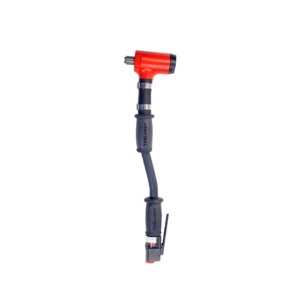


Concrete Scabbler UAE — Trelawny Surface Removal Equipment
Scabblers use rapid piston-driven tungsten-carbide tips to break away deteriorated, weak, or contaminated concrete, exposing sound substrate for repair. They remove material faster and to a greater depth than grinding or scarifying — typically 2–3mm per pass on a floor scabbler, versus the thin skim a grinder takes off — which is why they’re the standard choice wherever concrete has been compromised by chloride ingress, carbonation, fire damage, or contamination.
Common Applications
- Bridge deck, soffit, and pier repair before re-concreting
- Removing chloride- or carbonation-contaminated concrete
- Surface preparation ahead of structural overlays
- Fire- or chemical-damaged concrete removal
- Keying concrete surfaces for a strong mechanical bond with repair mortar
- Laitance removal on new slabs before coatings or toppings
Which Trelawny Scabbler Fits Your Job
Handheld single- and triple-head units give precise control for localized repairs — joints, corners, columns. The MHS11 walk-behind covers large horizontal areas fast. The pole scabblers reach where a handheld unit can’t. Here’s the real spread, pulled from Trelawny’s own published specs:
| Model | Type | Weight | Blows/Min | Air Consumption | Best for |
|---|---|---|---|---|---|
| SC1 | Single head, handheld | 2.6 kg | 2,400 bpm | 6.5 cfm | Localized repairs — joints, corners, small patches |
| SC3 | Triple head, handheld | 4.8 kg | 2,800 bpm (×3 heads) | 16 cfm | Larger vertical/wall areas needing more coverage per pass |
| MHS11 | 11-head, walk-behind | 70 kg | 24,200 bpm total | 55 cfm | Large horizontal areas — bridge decks, car park slabs, industrial floors |
| LPS55 | Pole scabbler | ~13 kg | 1,100 bpm | ~25 cfm | Scabbling below rebar and in tight, hard-to-reach areas |
| VL LRS55 | Pole scabbler, low-vibration | ~22 kg | 1,300 bpm | ~25 cfm | Same reach as the LPS55, for longer shifts or strict vibration-exposure limits |
The MHS11 is where most of the removal capacity sits: at roughly 300 sq ft (28 m²) per hour with a typical cut depth around 3mm, it does in one pass what a handheld unit would take several passes and considerably more labor to match. The trade-off is size and weight — 70 kg means it’s a walk-behind machine for open floor areas, not something you carry up scaffolding.
Vibration and Dust — Two Things Worth Planning For
Scabbling is a high-vibration, high-dust process by nature, and both matter for how you plan the job:
- Vibration exposure. The MHS11 and the VL LRS55 pole scabbler both use Trelawny’s Vibro-Lo™ system, which is built specifically to cut hand-arm vibration exposure compared to standard models — relevant if your crew is running scabblers for extended shifts under HAVS-type exposure limits. The standard SC1, SC3, and LPS55 don’t have this system built in.
- Dust control. The MHS11 accepts an optional TVS® vacuum shroud that connects to an industrial dust collector, which matters for indoor work, occupied buildings, or any site with dust restrictions. Confirm with us whether your specific unit ships with or without the shroud fitted.
Compressor Sizing
Same rule as any pneumatic tool: size your compressor comfortably above the tool’s listed air consumption to cover line losses. The SC1 and SC3 handheld units run fine off a compact compressor (most single-cylinder portable units cover 6.5–16 cfm easily). The MHS11 at 55 cfm needs a proper towable compressor — check your unit’s rated output before committing rather than finding out on site.
Why UAE Contractors Buy Trelawny Through Liberty Enterprises
We stock the Trelawny range on the ground in Sharjah — single and triple head scabblers, the MHS11 floor scabbler, and both pole scabbler variants — so you’re not waiting on a shipment when a job starts. As a UAE-based supplier working with construction, infrastructure, and marine contractors across the Emirates, we can also point you toward the right model for a specific job before you commit to a rental or purchase.
What that means for you:
- Ready stock across the Trelawny scabbler range
- Fast dispatch across all Emirates
- Guidance on matching scabbler type to job size and access constraints
- After-sales support for consumable heads, pistons, and service kits
Frequently Asked Questions
What’s the difference between a scabbler and a floor grinder? A scabbler pounds tungsten-carbide tips into the surface to break away weak or contaminated concrete at real depth — typically a few millimeters per pass. A grinder abrades a much thinner layer and is better suited to smoothing or light surface prep, not removing compromised concrete.
Which scabbler do I need for a small joint repair versus a full bridge deck? For localized repairs — joints, corners, small patches — the SC1 or SC3 handheld units give the control you need. For a full bridge deck or large slab, the MHS11 walk-behind covers far more ground per hour.
Do Trelawny scabblers need a dust collector? Not required, but recommended for indoor work or dust-restricted sites. The MHS11 accepts an optional TVS® vacuum shroud for this — confirm with us if your unit needs it fitted.
What compressor do I need for the MHS11? The MHS11 draws 55 cfm at 90 psi. Size your compressor above that to cover line losses — a compact portable unit won’t keep up.
Related Equipment
- Pneumatic Breakers — for full-depth demolition before surface prep begins
- Trelawny Floor Grinders — for finishing after scabbling
- Trelawny Floor Scarifiers — for large-area surface removal at shallower depth
- Needle Scalers — for cleaning concrete and steel before rework
Not sure which Trelawny scabbler fits your project? Call +971 55 303 1966 or +971 55 482 2576, or get a quote here.